Mom, we know how much you care about making sure your little one is in contact only with materials that are safe for them.
It’s natural that you worry about your baby’s skin—it’s especially sensitive and prone to irritation. Some babies react badly to chemicals used in the production of clothing or diapers that come into direct contact with their skin. But if a product is marked with the OEKO-TEX STANDARD 100 label, you can be sure it’s safe for your child and free from harmful substances.
What is OEKO-TEX STANDARD 100?
Simply put, the Oeko-Tex certificate confirms the quality of textile and fabric products. It applies to items that come into frequent or occasional contact with the skin—including disposable and reusable baby diapers. The certificate is awarded by the institute only to products that have passed strict testing and been examined in terms of both composition and production process.
To understand what OEKO-TEX STANDARD 100 means, it’s helpful to know that certified products are checked for the presence of over 100 of the most dangerous substances that pose risks to consumers.
Products marked with OEKO-TEX STANDARD 100 are free from substances harmful to our health, such as pesticides and formaldehydes—which are common causes of allergies. Tests also assess resistance to sweat and saliva, as well as foreign odors.
The OEKO-TEX STANDARD 100 is backed by the German Hohenstein Institute and Austrian ÖTI – Institute for Ecology, Technology and Innovation. The goal was to ensure stricter control over user-friendly products, set high product standards, and reduce the number of items made with harmful chemicals. The goal has been successfully achieved—and continues to be.
How does certification according to OEKO-TEX STANDARD 100 work?
You now know what OEKO-TEX STANDARD 100 is. But how exactly does the testing process work? What happens behind closed doors?
Every component of a product is tested—not just the fabrics, but also threads and buttons. The institutes verify documentation confirming the origin of all raw materials. First, initial sample tests are carried out, followed by additional tests just before the product is released for sale.
The OEKO-TEX organization focuses not only on hazardous substances that harm human health but also on the risk of those substances entering the digestive system—for example, through sweat or saliva.
Certified textile product classes
The Oeko-Tex certificate is granted according to four product classes, based on the level of skin contact.
Here are the 4 classes:
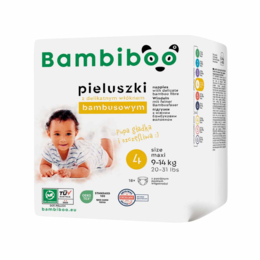
· Class I – textile products intended for babies and children up to 3 years old, e.g. Bambiboo diapers. These items are held to the highest standards and undergo the strictest testing
· Class II – products that come into frequent contact with skin, such as t-shirts and socks
· Class III – products with minimal skin contact, like jackets
· Class IV – basic textile products with occasional skin contact, e.g. tablecloths or curtains
Trust in baby products increases when they are marked with OEKO-TEX STANDARD 100. Naturally—you get the assurance that your child is using something safe. You've made the best choice. Now you can sleep peacefully. And so can your baby!